
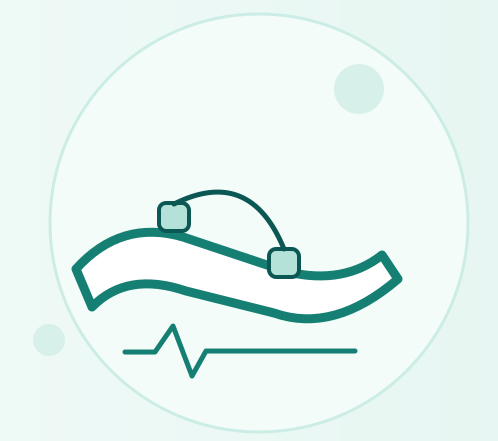
Why your doctor may advise this test
To investigate persistent tingling or numbness.
To check for a suspected trapped or injured nerve.
To explore the cause of some kinds of weakness.
What happens during the test
Small sensors are placed on the skin.
The professional sends brief electrical pulses to the selected nerve.
The responses are recorded and reviewed by a specialist.
How to prepare
Avoid applying heavy creams or oil to the area beforehand.
Tell the team about pacemakers or other implanted devices.
Ask whether an EMG is also part of your appointment.
Understanding your result
The measurements show how the tested nerves respond. Results are most useful when your specialist considers them together with symptoms and an examination.
Ready to book?
Book this test with Lakhotia Diagnostics
Our team can help you confirm preparation rules, the most suitable centre, appointment timing and whether home collection is available for your test.
Frequently asked questions
Will I feel a shock?+
You will feel short electrical pulses. They can be uncomfortable but are brief.
Does NCV require needles?+
Routine nerve conduction testing uses sensors on the skin. Needle EMG is a separate test that may be done alongside it.
Does this test examine the brain?+
No. It primarily looks at nerves outside the brain and spinal cord.
Can I go home afterwards?+
People can usually return to normal activities after routine nerve conduction testing.
The information on this page is for general patient education and does not replace medical advice. Please follow your doctor's instructions and confirm test availability, preparation rules and reporting timelines with Lakhotia Diagnostics before booking.